How to Tell if Your Tree Is Dying: Signs and Symptoms
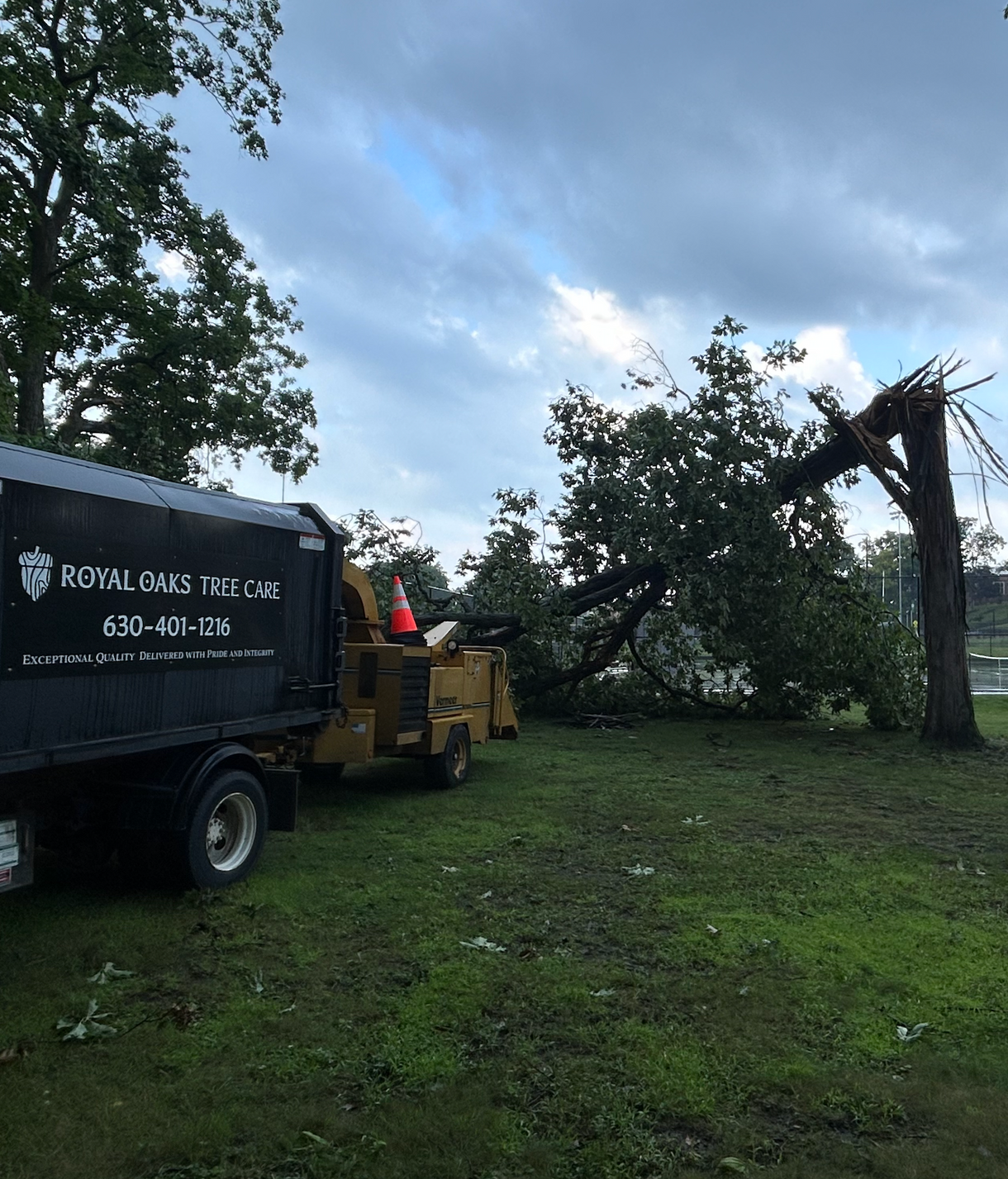
Trees rarely decline without warning. The signs often appear in the canopy, bark, trunk, roots, or surrounding soil before the problem becomes severe.
The challenge is knowing what those signs mean.
A thinning canopy does not always mean a tree is dying. Fungal growth does not automatically mean a tree will fail. One dead branch does not confirm widespread decline. The pattern, severity, and timing of the symptoms matter.
Let’s explore the warning signs of a dying tree and what homeowners can do next.
Signs Your Tree May Be Dying
A dying tree usually shows more than one symptom. The warning signs often spread, worsen over time, or affect several parts of the tree.
Pay attention to changes from one growing season to the next. A tree that produces fewer leaves, loses branches, develops trunk damage, and shows root problems needs a closer look.
Widespread Leaf Loss and Canopy Dieback
Start with the canopy.
A healthy deciduous tree produces leaves across most living branches during the growing season. A declining tree often develops bare sections, thin foliage, dead branch tips, undersized leaves, early fall color, or premature leaf drop.
The pattern tells an important story. Temporary stress often affects the canopy for one season. Advanced decline usually spreads through larger portions of the tree and grows worse over time.
Compare the tree with others of the same species nearby. If neighboring trees produce full canopies while yours continues to thin, the difference deserves attention.
Canopy dieback often points to problems below ground. Damaged roots, compacted soil, drought, poor drainage, insects, and disease all reduce the tree’s ability to support healthy growth.
Dead Branches, Bark Loss, and Trunk Damage
A few dead twigs do not indicate a dying tree. Large dead limbs, repeated branch loss, or dead wood throughout the canopy signal a more serious problem.
Inspect the trunk and major branches from the ground for these warning signs:
- Large cracks or splits
- Loose or missing bark
- Open wounds
- Sunken or discolored areas
- Leaking sap or fluid
- Weak branch unions
Storm damage, lawn equipment, construction, poor pruning, and vehicle impacts often injure bark and expose the wood underneath.
Trees do not heal wounds by replacing damaged tissue. They grow around the injury and attempt to contain the damage. Large wounds often create entry points for decay and reduce structural strength.
Do not climb the tree or pull on damaged limbs. Large branches and weakened trunk sections require professional evaluation.
Root Damage, Leaning, and Soil Movement
Roots anchor the tree and supply water and nutrients. Damage to the root system affects both health and stability.
Watch for:
- Cut, broken, or exposed roots
- Decay near the base
- Cracking or lifting soil
- A new or increasing lean
- A buried root flare
- Heavy equipment traffic near the tree
Construction, trenching, grading, soil compaction, poor drainage, and root cutting often trigger decline long after the work ends.
A long-standing lean does not always indicate immediate danger. A sudden lean, especially with lifting soil or exposed roots, requires prompt attention.
Keep people, vehicles, and pets away from the area until a Certified Arborist inspects the tree.
Is My Tree Dying or Stressed?
A stressed tree often looks unhealthy without actively dying.
Drought, excess water, compacted soil, transplant shock, insects, disease, and temperature extremes often cause wilting, discoloration, reduced growth, and early leaf drop.
The difference comes down to pattern, duration, and recovery.
A stressed tree often produces healthy buds, new growth, or improved foliage when conditions improve. A dying tree continues to lose vigor, develops expanding areas of dead wood, and shows fewer signs of recovery each season.
Ask three questions:
- When did the symptoms begin?
- How quickly have they spread?
- What changed around the property?
Storms, drainage changes, excavation, new landscaping, driveway work, and repeated drought often provide useful clues.
Do not judge the tree from one leaf, branch, or mushroom. Evaluate the whole tree and the site around it.
Are Dying Trees Savable?
Some declining trees recover. Others have already lost too much structure or vitality.
The outcome depends on the cause, severity, species, location, and timing of the evaluation.
A treatment plan might include corrective pruning, improved watering, mulch, soil care, Plant Health Care, cabling, bracing, or ongoing monitoring.
The treatment must match the problem.For example, more water does not correct trunk decay. Insect treatment does not repair severed roots, and pruning does not reverse advanced internal damage.
Early intervention gives a declining tree more options. Once decay compromises major roots, the trunk, or primary branches, preservation becomes more difficult.
What Causes Tree Decline in Northern Illinois?
Trees throughout Northern Illinois and the greater Chicagoland suburbs face demanding growing conditions. Summer drought, saturated spring soils, strong storms, winter temperature swings, and road salt all stress roots, branches, and foliage. Many properties also have alkaline, dense, or compacted soil that restricts water, oxygen, and root growth.
These problems often work together. Drought weakens root function. Compacted soil limits water and oxygen. Damaged roots leave trees less able to recover from insects, disease, and severe weather. Construction can also injure roots or compress the soil, even when symptoms do not appear in the canopy until months or years later.
Species and planting location matter, too. A tree may thrive in a spacious, well-drained yard but struggle in a wet low spot, narrow parkway, or salt-exposed area. Matching the right species to the soil, moisture, sunlight, and available space gives Northern Illinois trees a better chance of long-term success.
When to Call Local Certified Arborists
Call a professional tree care company when symptoms spread, worsen, or raise a safety concern. It may not be too late to save your tree.
Certified Arborists look at the full picture, including the tree’s species, site conditions, weather history, and nearby activity. That local context leads to a more accurate diagnosis and a better plan for care.
Get a Tree Inspection From Royal Oaks
You should not have to guess whether your tree is stressed, declining, or unsafe.
Our Certified Arborists evaluate the tree, the site, and the full pattern of symptoms. We explain what we find, answer your questions, and recommend care based on safety, tree health, and the long-term needs of your property.
Let’s get to work.
Schedule your consultation or call us at
630-401-1216.
More Tree Care Tips & Insights