What Is a Certified Arborist and What Do They Do?
Trees do not always show obvious signs of trouble. Damaged roots can limit growth, weak branches can create safety concerns, and insects or disease can thin the canopy.
A Certified Arborist can identify these issues, explain what they mean, and help you decide what to do next.
What Is a Certified Arborist?
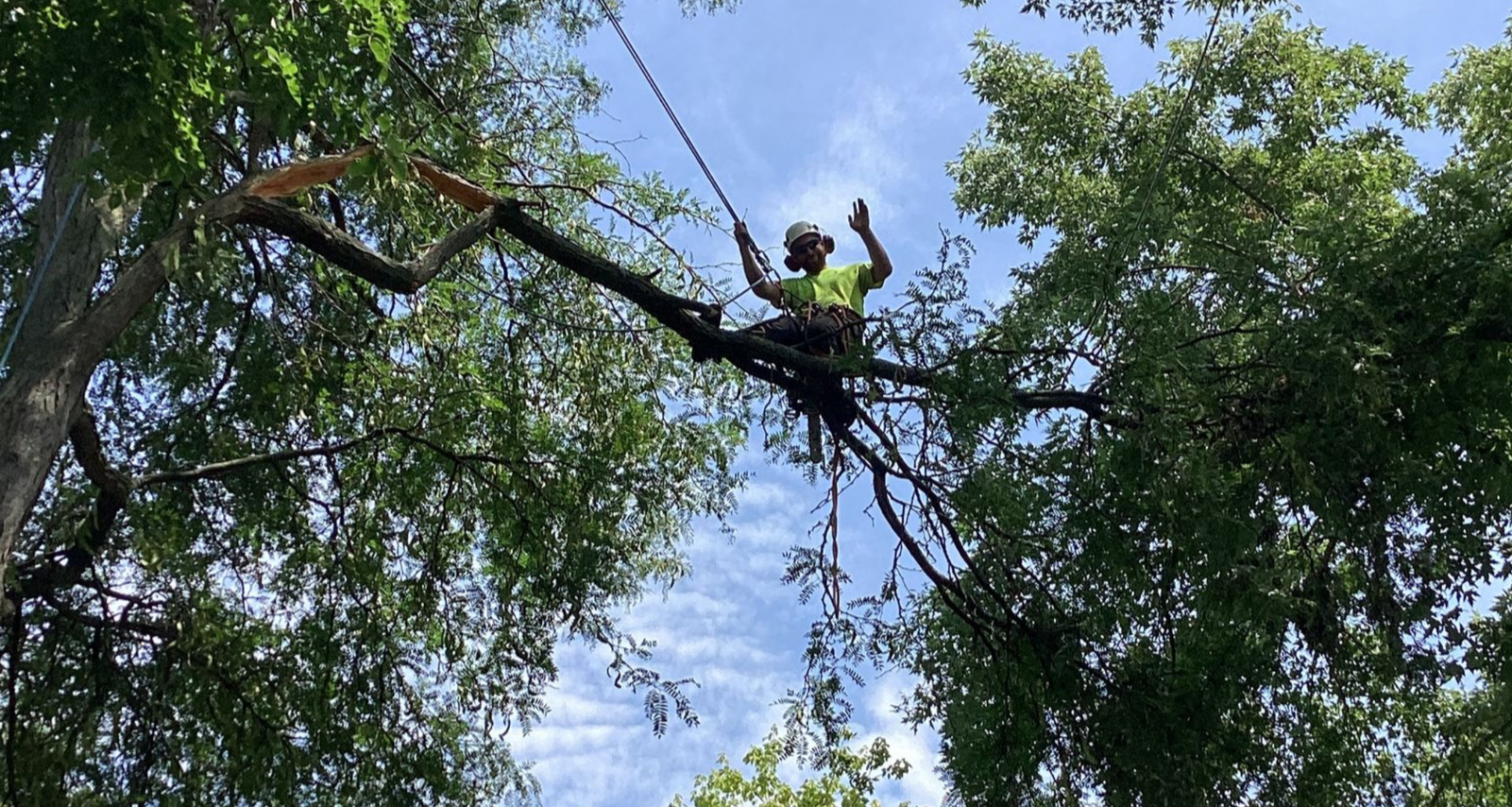
A Certified Arborist is a tree care professional who has demonstrated knowledge and experience in arboriculture, the science and practice of caring for trees.
The International Society of Arboriculture, or ISA, administers the ISA Certified Arborist credential. To earn certification, a tree care professional must meet experience requirements and pass an exam that covers tree biology, diagnosis, maintenance, safety, and proper tree care practices.
Certification is voluntary. It shows that a tree care professional has chosen to meet an established industry standard instead of relying only on general work experience.
What Makes a Certified Arborist Different From an Arborist?
People often use the term “arborist” broadly to describe someone who works with trees. A Certified Arborist has completed additional steps to verify their knowledge and maintain their credential.
That distinction matters because tree care decisions can affect safety, property value, and long-term tree health. Improper pruning can permanently damage a tree. A missed structural defect can create a safety concern. An inaccurate diagnosis can lead to unnecessary treatment or removal.
Required Experience, Testing, and Continuing Education
Certified Arborists must meet professional experience requirements and pass a comprehensive exam. The exam covers a wide range of tree care topics rather than one specific service, such as pruning or removal.
Certified Arborists must also maintain their credentials through continuing education or retesting. Ongoing education helps them stay current with new research, pests, diseases, safety practices, and industry standards.
Property owners benefit from recommendations based on accepted tree care practices rather than guesswork or habit.
Professional Standards and Ongoing Accountability
Certification also sets professional and ethical expectations. Certified Arborists must communicate honestly, work within their level of expertise, and follow recognized standards of practice.
At Royal Oaks, we apply those standards to every interaction. We explain our recommendations, answer questions clearly, and take responsibility for our work. We focus on helping you make informed decisions rather than pushing unnecessary services.
What Does a Certified Arborist Do on Your Property?
A Certified Arborist does more than inspect a tree and provide a price. The process starts with understanding the tree, the site, and your concerns.
The arborist may examine the trunk, roots, branches, canopy, nearby structures, drainage, soil conditions, and signs of stress.
Evaluate Tree Health, Structure, and Site Conditions
During an assessment, a Certified Arborist focuses on identifying conditions that affect tree performance and safety.
They evaluate:
- Structural integrity, including cracks, weak branch attachments, and overall stability
- Tree vitality, such as canopy density, leaf condition, and growth patterns
- Environmental stress factors like drought, soil compaction, or poor drainage
- Root conditions and potential damage from construction or disturbance
- Proximity to structures, utilities, and other landscape elements
This evaluation helps determine how the tree is functioning within its environment and whether any risks or underlying issues are present.
Recommend Care Based on Safety and Long-Term Value
After completing the evaluation, the Certified Arborist outlines appropriate next steps based on the tree’s condition and your goals.
Recommendations may include:
- Pruning to improve structure, clearance, or health
- Monitoring when immediate action is not necessary treatments for insects, disease, or nutrient issues
- Plant Health Care treatments for insects, disease, or nutrient issues
- Cabling or bracing to support structural weaknesses
- Soil improvement to address compaction or drainage concerns
- Tree removal when safety risks or decline cannot be resolved
Each recommendation is based on balancing safety, tree health, and long-term property value.
When to Call a Certified Arborist
You do not need to wait for an emergency before contacting a Certified Arborist. An early assessment often gives you more options.
Consider calling a Certified Arborist when you notice visible changes, damage, or uncertainty about a tree’s condition or safety.
Common reasons include:
- Sudden changes in appearance, such as thinning leaves or unusual discoloration
- Visible structural concerns, including leaning or instability
- Signs of decay, fungal growth, or internal damage
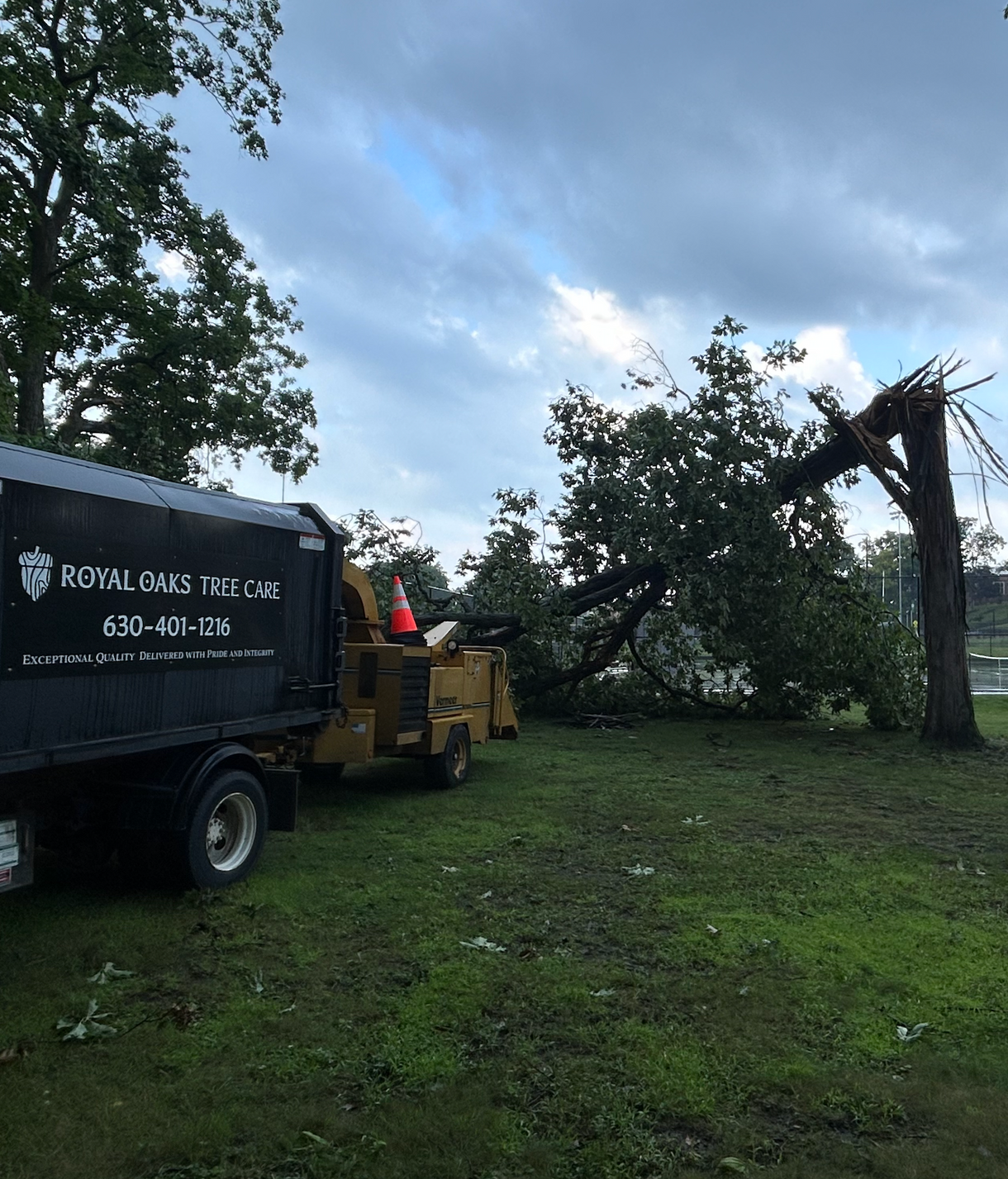
- Impact from storms, construction, or soil disturbance
- Branches interfering with structures or growing into restricted spaces
- Questions about whether a tree should be preserved or removed
- Planning for new tree planting or long-term property care
- Concerns about insects, disease, or overall tree decline
You can also call when something simply does not look right. You do not need to diagnose the problem before asking for help.
What to Expect From a Consultation
A good consultation should give you a clearer understanding of your trees and your options.
During a Royal Oaks consultation, a Certified Arborist reviews your concerns, inspects the property, and evaluates the trees involved. The assessment may focus on one tree or consider how several trees and site conditions affect each other.
We explain our findings in practical language and outline the next steps. When several options make sense, we discuss the benefits, limitations, timing, and priority of each one.
You should feel comfortable asking questions such as:
- Does this need emergency or immediate attention?
- Can we preserve the tree?
- What could happen if we wait?
- Would pruning address the concern?
- Does treatment make sense?
- What should we monitor over time?
Clear communication is part of professional tree care. You should understand the recommendation before work begins.
Why Illinois Tree Conditions Require Local Expertise
Tree care should reflect the conditions where the tree grows.
Northern Illinois trees face:
- Temperature swings and seasonal stress
- Strong storms and wind exposure
- Periods of drought and heavy rainfall
- Compacted soil and drainage challenges
- Winter injury and road salt exposure
- Regional insects and diseases
Conditions also vary from one property to another. A tree may thrive in an open, well-drained yard but struggle in heavy soil or a low area that holds water.
Local experience helps a Certified Arborist recognize common patterns while evaluating each property individually. Local knowledge also matters when selecting new trees. Sunlight, soil, moisture, available space, and mature size all influence whether a tree will succeed.
At Royal Oaks, we use this property-specific approach to shape our recommendations for tree care, planting, and long-term health management.
Get Expert Tree Care From Royal Oaks’ Certified Arborists
The right tree care starts with a clear understanding of the problem.
Whether you are concerned about a declining tree, planning routine maintenance, responding to storm damage, or choosing a new tree, Royal Oaks Tree Care can help.
Our Certified Arborists provide practical recommendations, clear communication, and work we are proud to stand behind.
Let’s get to work.
Schedule your consultation or call us at
630-401-1216.
More Tree Care Tips & Insights